
Urban Green Spaces and Health in Elche
How Elche’s Urban Green Spaces Boost Community Health and Well-being
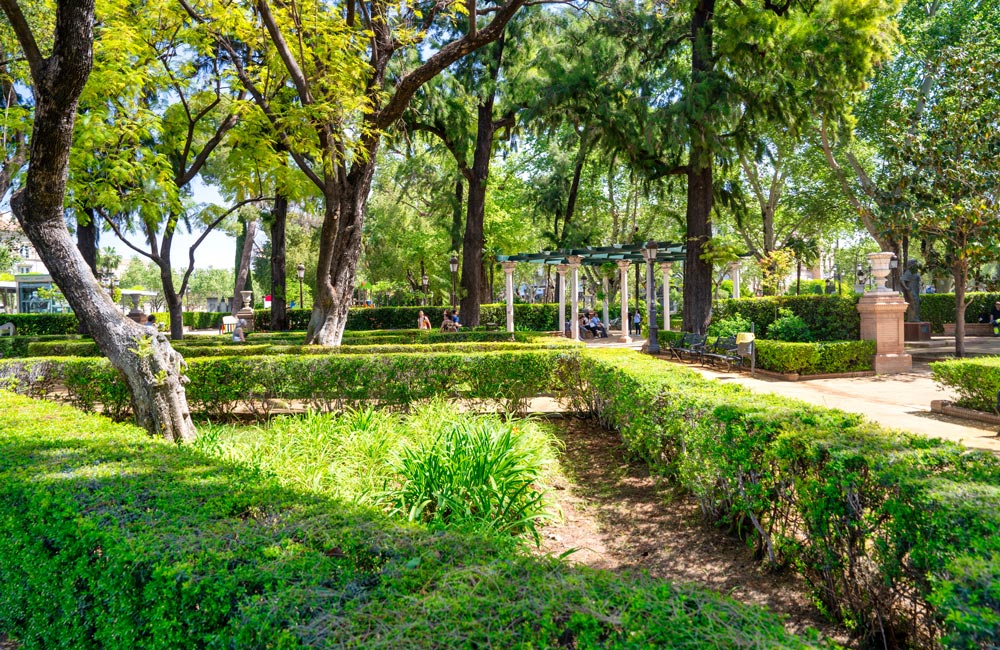
Elche is widely known for its palm groves, but its urban green spaces play a much broader role in daily life. Parks, gardens, and tree-lined avenues shape how residents move, rest, and interact with their environment. These spaces are not decorative extras but active contributors to physical and mental well-being.
As cities grow denser, access to green areas becomes more important. In Elche, urban planning has preserved and integrated nature into residential zones, commercial areas, and cultural sites. This integration affects health outcomes in ways that are both visible and subtle.
Understanding how green spaces influence wellbeing helps explain why they are central to quality of life in Elche. Their value extends far beyond aesthetics.
Daily Access to Nature and Modern Urban Life
Urban life brings convenience, but it also introduces stress, noise, and sedentary habits. Green spaces provide balance by offering residents places to disconnect from pressure without leaving the city. In Elche, many neighborhoods are within walking distance of parks or landscaped areas.
These spaces encourage simple routines like walking, stretching, or sitting outdoors. Even brief exposure to greenery has been shown to reduce stress levels and improve mood. Residents often combine outdoor breaks with digital habits, from messaging to entertainment platforms such as live casino sport betting, showing how green spaces coexist with modern lifestyles rather than replace them.
This accessibility makes wellbeing part of everyday life rather than an occasional activity.
Physical Health Benefits Across All Ages
Urban green spaces promote physical activity in natural ways. Parks in Elche support walking, jogging, cycling, and informal sports without the barriers of gym memberships or scheduled classes. This inclusivity benefits people of all ages.
Children gain safe areas to play and develop motor skills. Adults incorporate movement into daily routines, reducing risks linked to inactivity. Older residents benefit from gentle exercise that supports mobility and balance.
Regular physical activity supported by green spaces contributes to lower rates of cardiovascular disease and improved overall fitness within the community.
Mental Wellbeing and Stress Reduction
Mental health benefits are among the most significant contributions of urban greenery. Natural environments help regulate stress by lowering cortisol levels and promoting relaxation. In Elche, shaded paths and quiet gardens offer relief from urban intensity.
Green spaces provide opportunities for reflection and calm. People use them for reading, meditation, or simply pausing during busy days. This mental reset supports emotional resilience.
Over time, consistent access to calming environments helps reduce anxiety and improve overall psychological well-being.
Social Interaction and Community Connection
Parks and public gardens act as social hubs. In Elche, green spaces host casual encounters, family gatherings, and community events. These interactions strengthen social bonds and reduce isolation.
Shared spaces encourage intergenerational contact. Children, parents, and older residents coexist in neutral environments that foster mutual awareness and respect. This dynamic builds social cohesion.
Strong social networks are closely linked to better mental health and longer life expectancy, making green spaces valuable social infrastructure.
Urban Heat Management and Environmental Comfort
Green spaces help regulate urban temperatures. Trees and vegetation provide shade and reduce heat absorption by concrete surfaces. In Elche’s warm climate, this cooling effect is essential.
Lower temperatures improve comfort during summer months and reduce heat-related health risks. Green areas also improve air quality by filtering pollutants and producing oxygen.
These environmental benefits directly support respiratory health and reduce strain on energy systems used for cooling.
Encouraging Active Transportation
Green corridors and tree-lined streets encourage walking and cycling. When routes are pleasant and shaded, people are more likely to choose active transportation over driving.
In Elche, urban greenery connects residential areas with schools, markets, and cultural sites. This connectivity reduces reliance on vehicles and supports healthier habits.
Active transportation also lowers pollution and noise, creating a positive feedback loop that further enhances wellbeing.
Cultural Identity and Sense of Place
Elche’s green spaces are deeply tied to its cultural identity. The Palmeral is not just a landscape feature but a symbol of heritage and continuity. This connection enhances residents’ sense of belonging.
When people feel proud of their surroundings, they are more engaged in community life. Green spaces become shared points of reference that strengthen local identity.
Cultural attachment contributes to psychological well-being by reinforcing stability and meaning in everyday environments.
Accessibility and Health Equity
Equitable access to green spaces matters for public health. In Elche, efforts to distribute parks across neighborhoods help reduce disparities in well-being outcomes.
When green spaces are accessible regardless of income or age, they support inclusive health benefits. This accessibility reduces dependence on private resources for recreation and relaxation.
Health equity improves when nature is treated as a public good rather than a luxury.
Urban Planning and Long-Term Health Outcomes
The benefits of green spaces depend on thoughtful planning. Design, maintenance, and connectivity determine how spaces are used. Elche’s integration of greenery into urban planning reflects long-term thinking.
Well-designed parks feel safe, inviting, and functional. They adapt to changing demographics and needs over time. This adaptability ensures continued relevance. Investing in green infrastructure yields returns in reduced healthcare costs and improved population health.
Education and Environmental Awareness
Green spaces also serve educational purposes. Schools and families use parks to teach children about ecology, responsibility, and sustainability.
Early exposure to nature fosters environmental awareness and healthy habits. These lessons influence behavior well into adulthood. Education linked to green spaces supports a culture of care for both personal health and the environment.
Resilience and Future Wellbeing
As cities face climate and social challenges, green spaces contribute to resilience. They absorb rainfall, reduce flooding risk, and support biodiversity.
In Elche, urban greenery strengthens the city’s ability to adapt while maintaining quality of life. Resilient environments protect both physical infrastructure and human well-being. Planning for future growth must continue to prioritize these spaces as essential assets.
Conclusion
Elche’s urban green spaces play a vital role in boosting community health and wellbeing. They support physical activity, reduce stress, foster social connection, and improve environmental conditions.
Their impact is cumulative, shaping daily habits and long-term health outcomes. By integrating nature into urban life, Elche demonstrates how cities can promote wellbeing without sacrificing modern convenience.
Protecting and expanding green spaces ensures that future generations continue to benefit from healthier, more balanced urban living.
NOTE: Main Image by Depositphotos